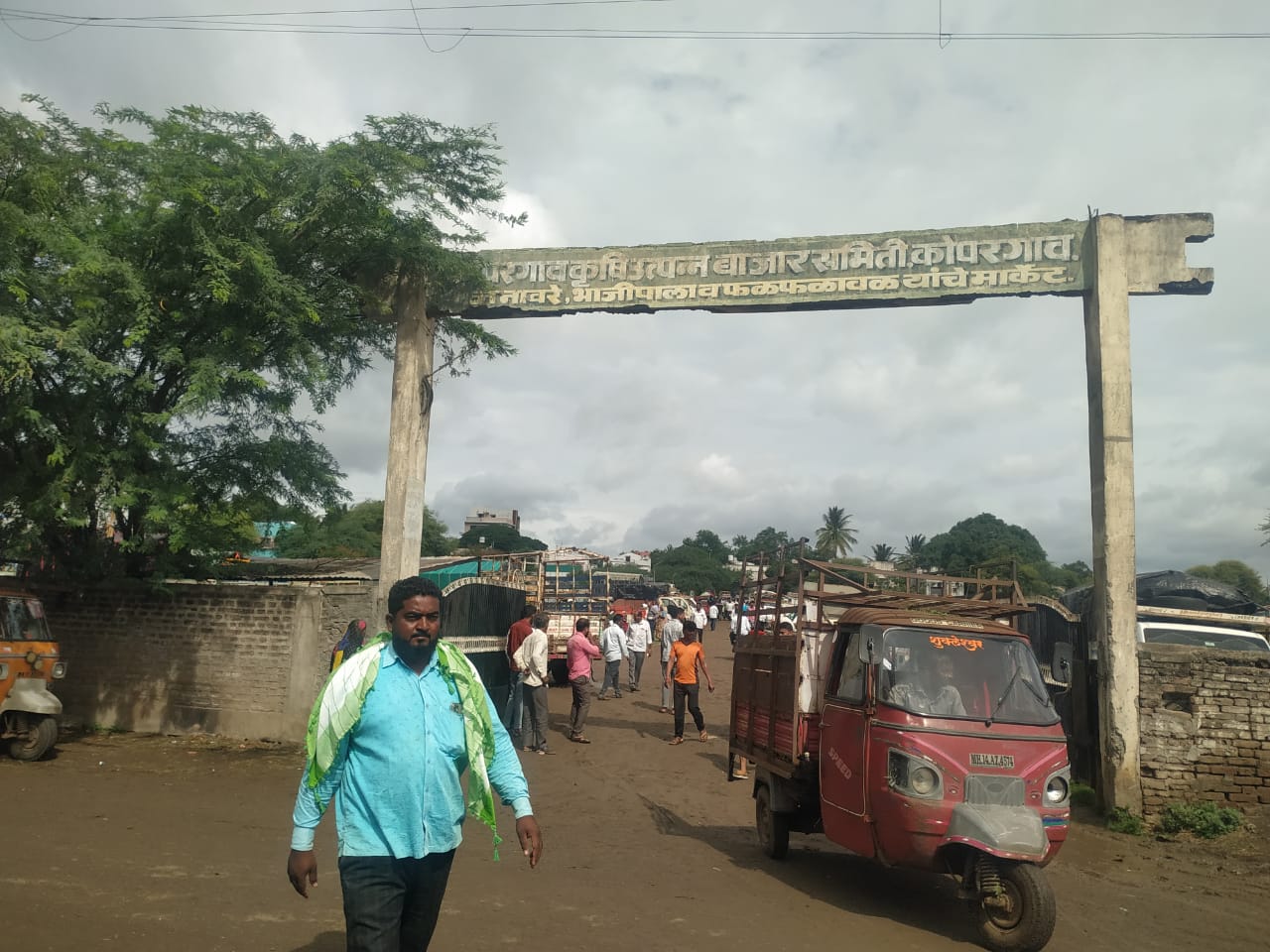

History and Background
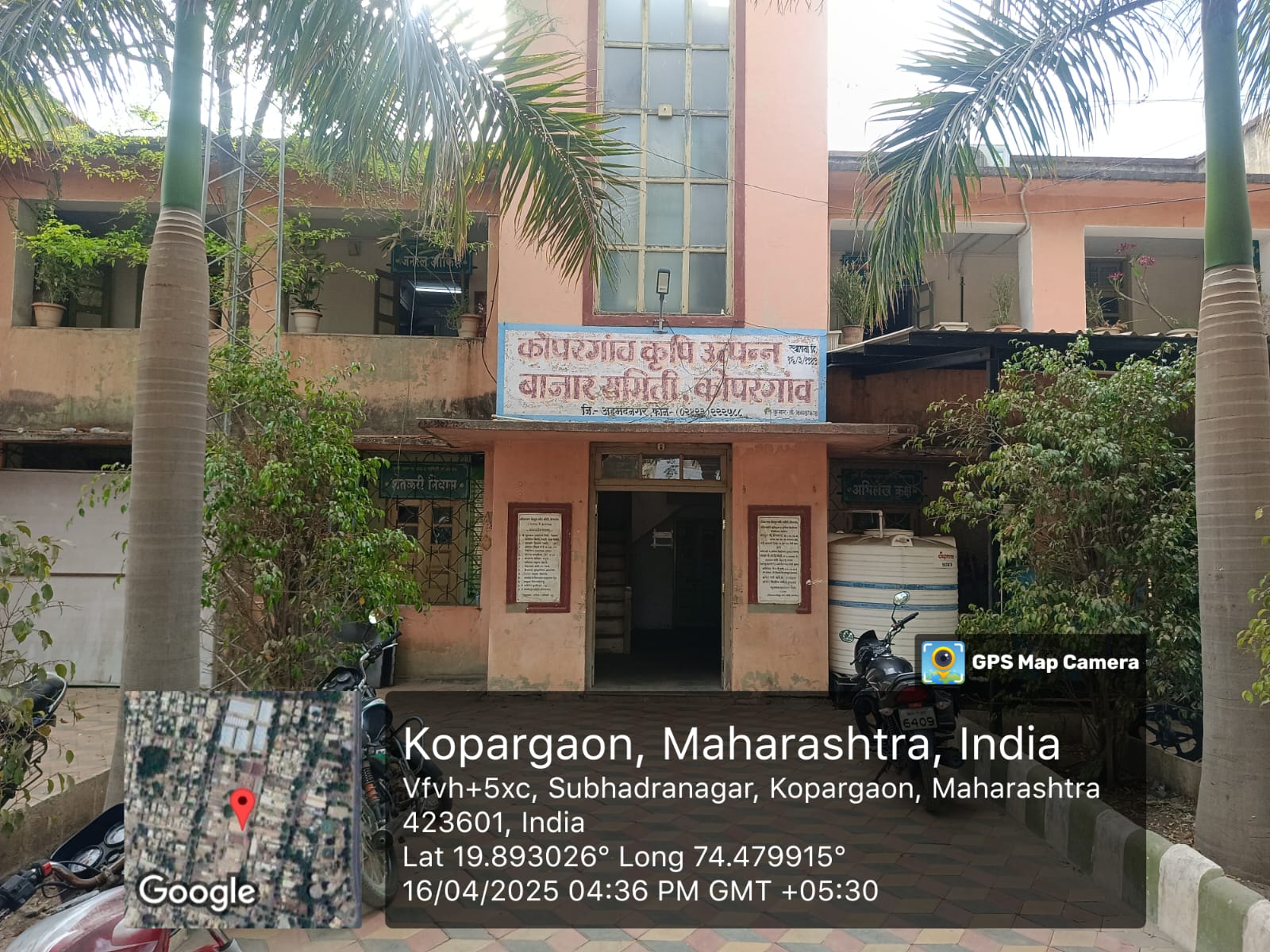
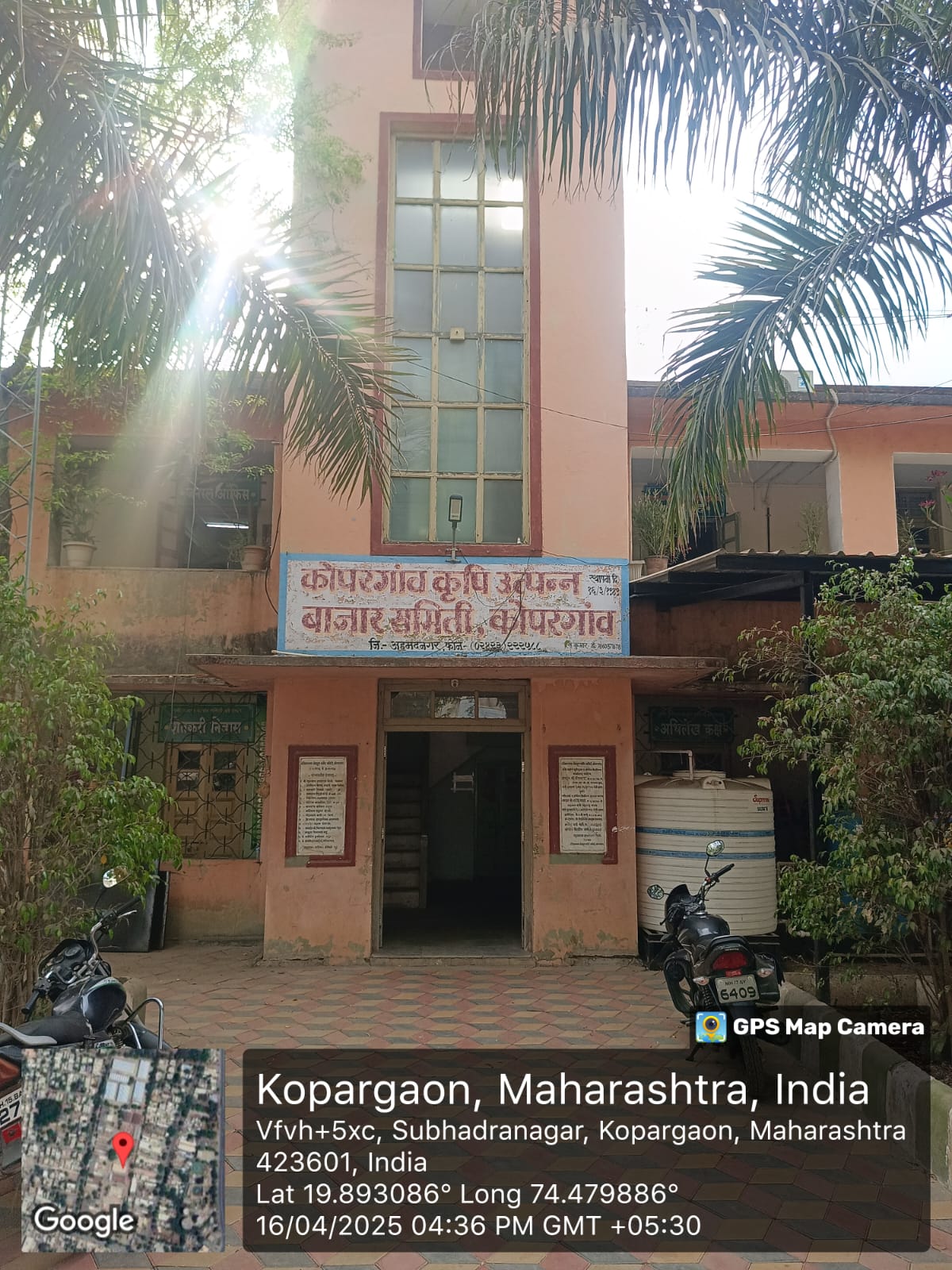
Even before the establishment of the Market Committee in Kopargaon, a market existed there. It was renowned as the Kopargaon Market. Since India is an agricultural country, to protect the interests of agricultural producers, the Bombay Government passed the Bombay Agricultural Produce Markets Act, 1939, and the Kopargaon Market Committee was established under this act. Ahilyanagar district is a pioneer in the country for the production of grain and onion crops.
Establishment of Market Committee and Notification Number
According to the Bombay Agricultural Produce Markets Act, 1939, the Kopargaon Market Committee was established on 16/03/1949.
Commencement of Actual Operations
The actual operations of the Kopargaon Market Committee commenced on 16/03/1949.
Purpose of Establishing the Market Committee
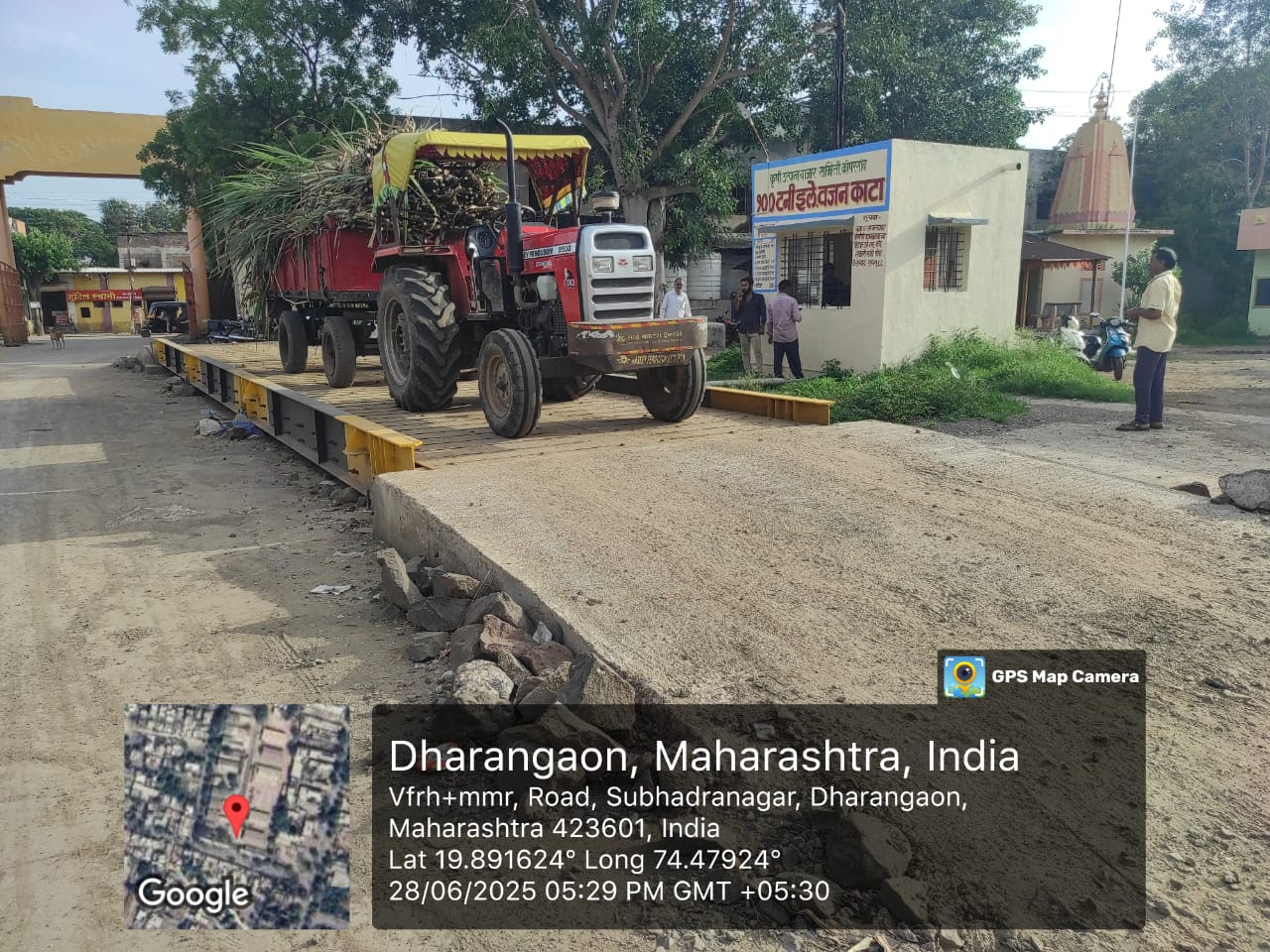
The Market Committee was established with the objective of ensuring that the farmer brothers get fair market prices for their produce, to have an excellent and nearby system for selling their goods, to prevent financial fraud and exploitation through various means, to stop unauthorized practices and unfair deductions, to ensure accurate weighing and measurement, to provide fair compensation in cash, and to protect the interests of other related stakeholders.
Market Area
The operational area of the Kopargaon Market Committee includes 79 villages in the Kopargaon taluka of Ahilyanagar district.
Market Yards
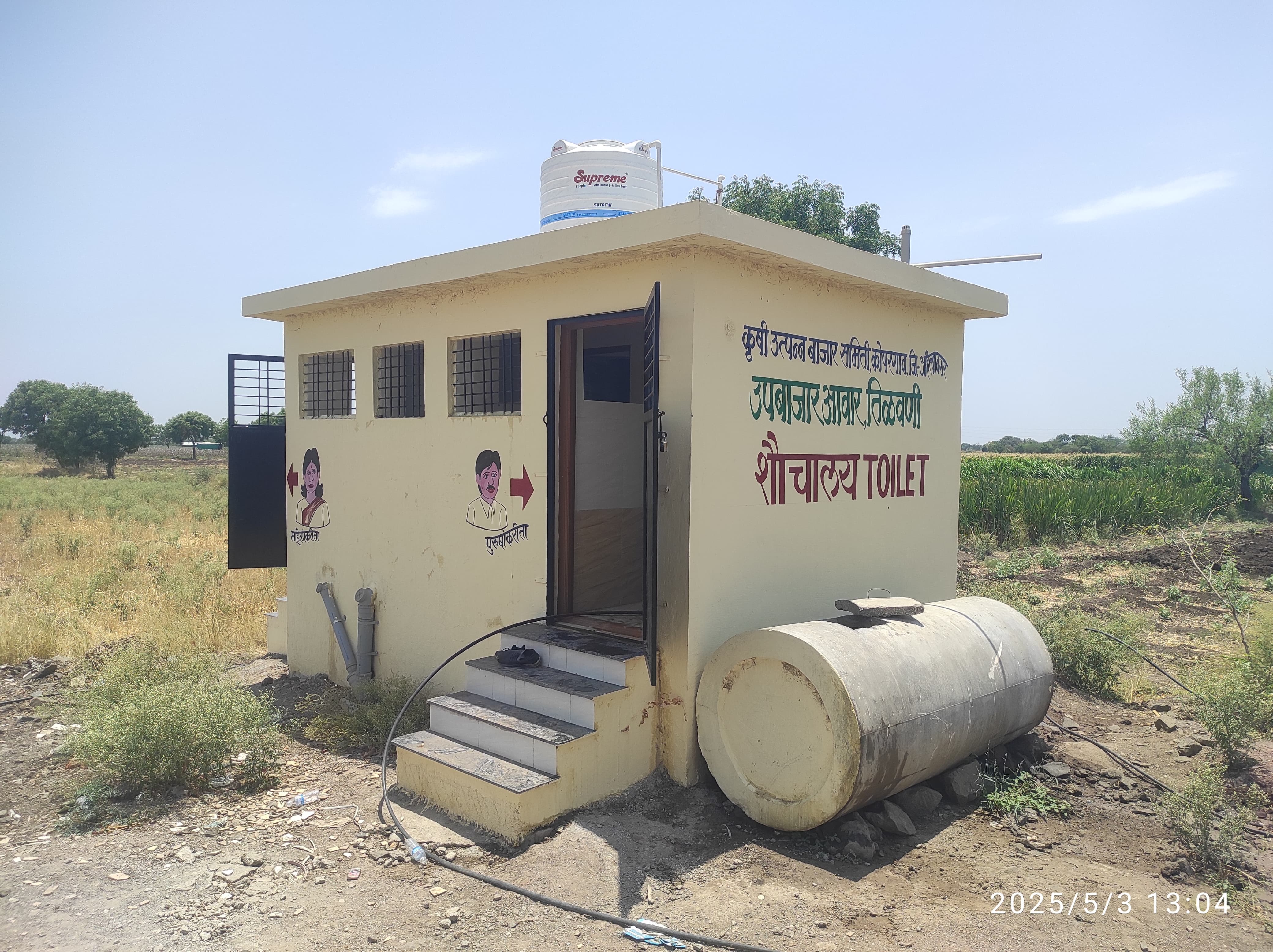
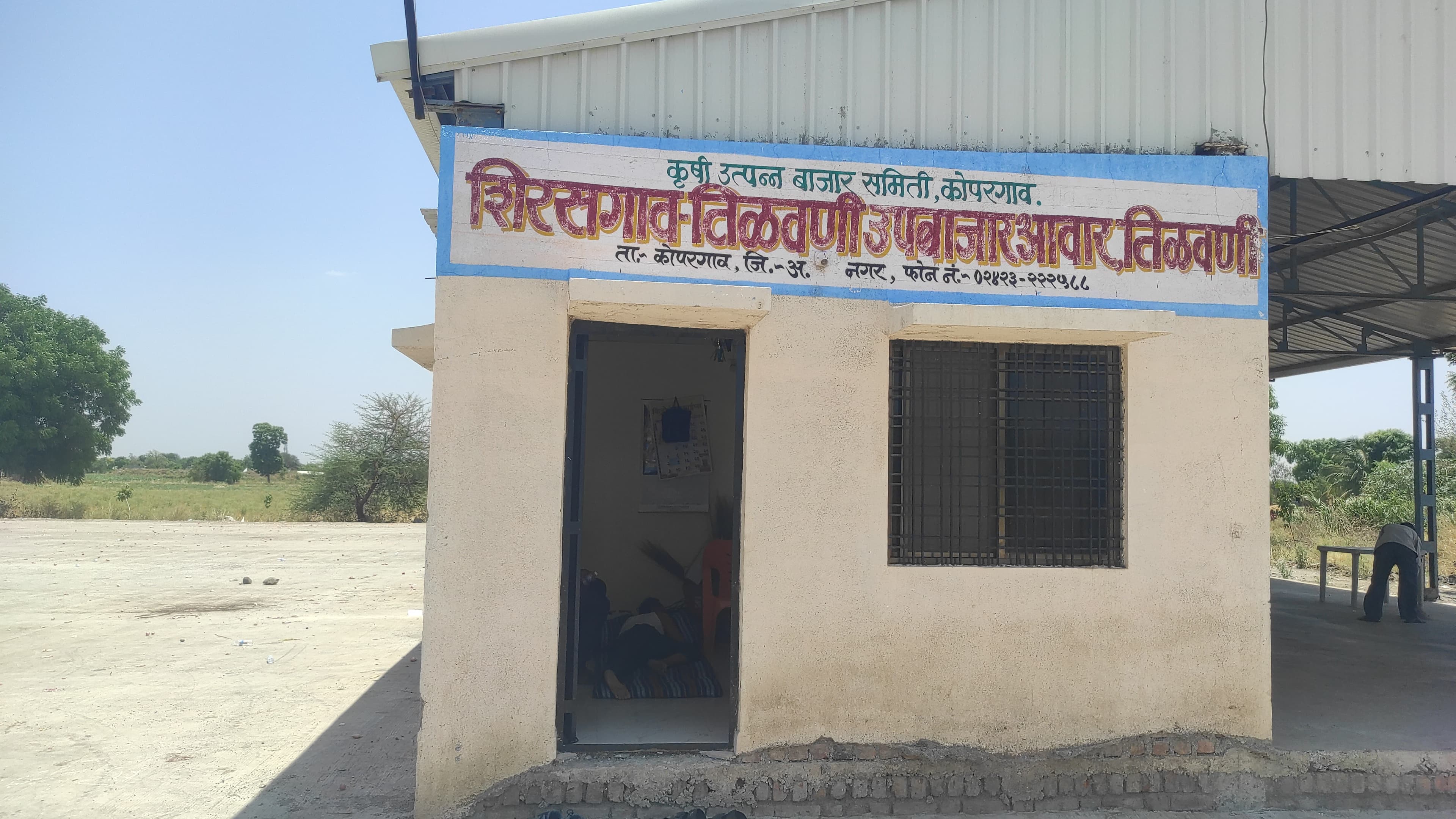
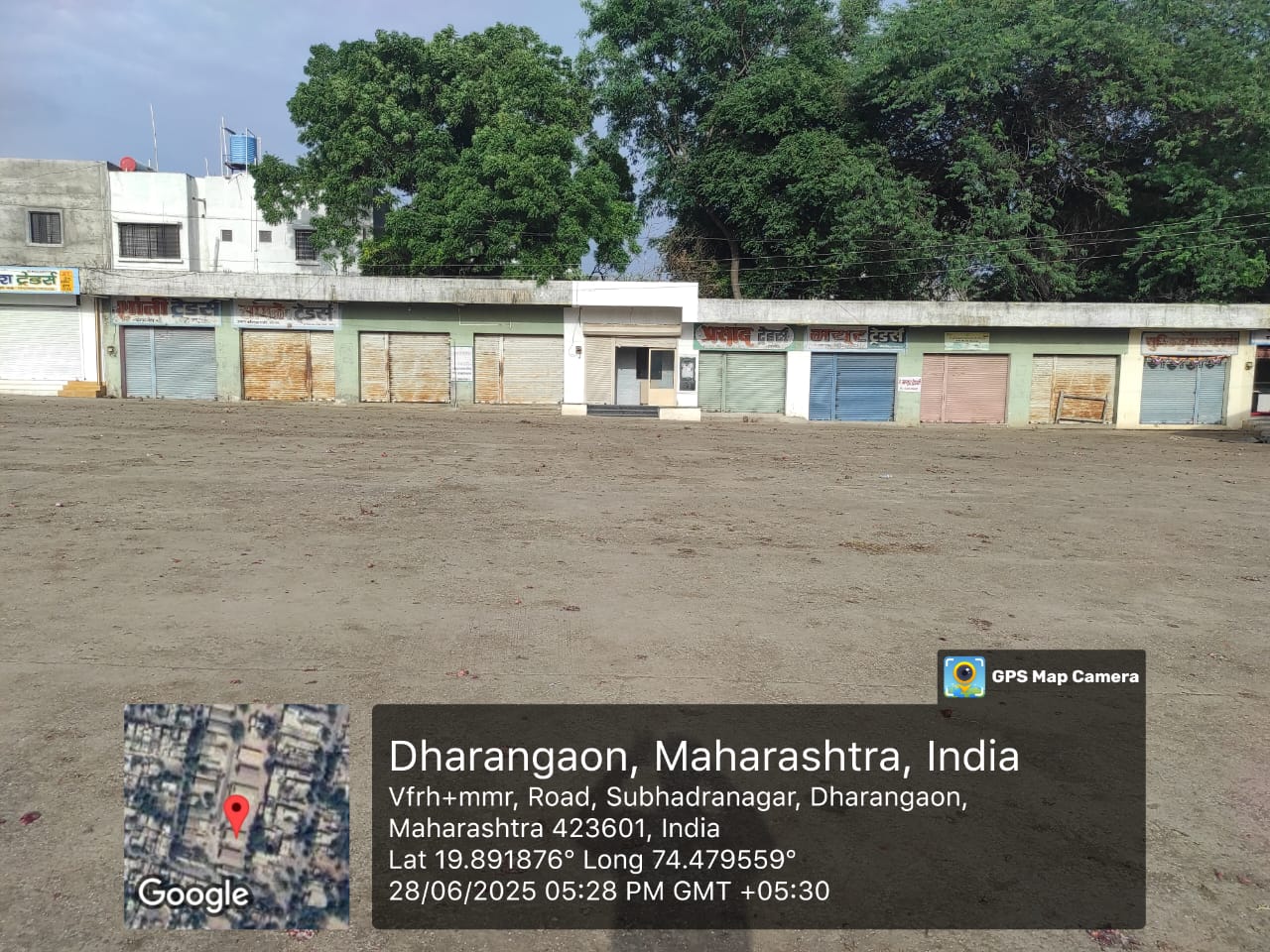
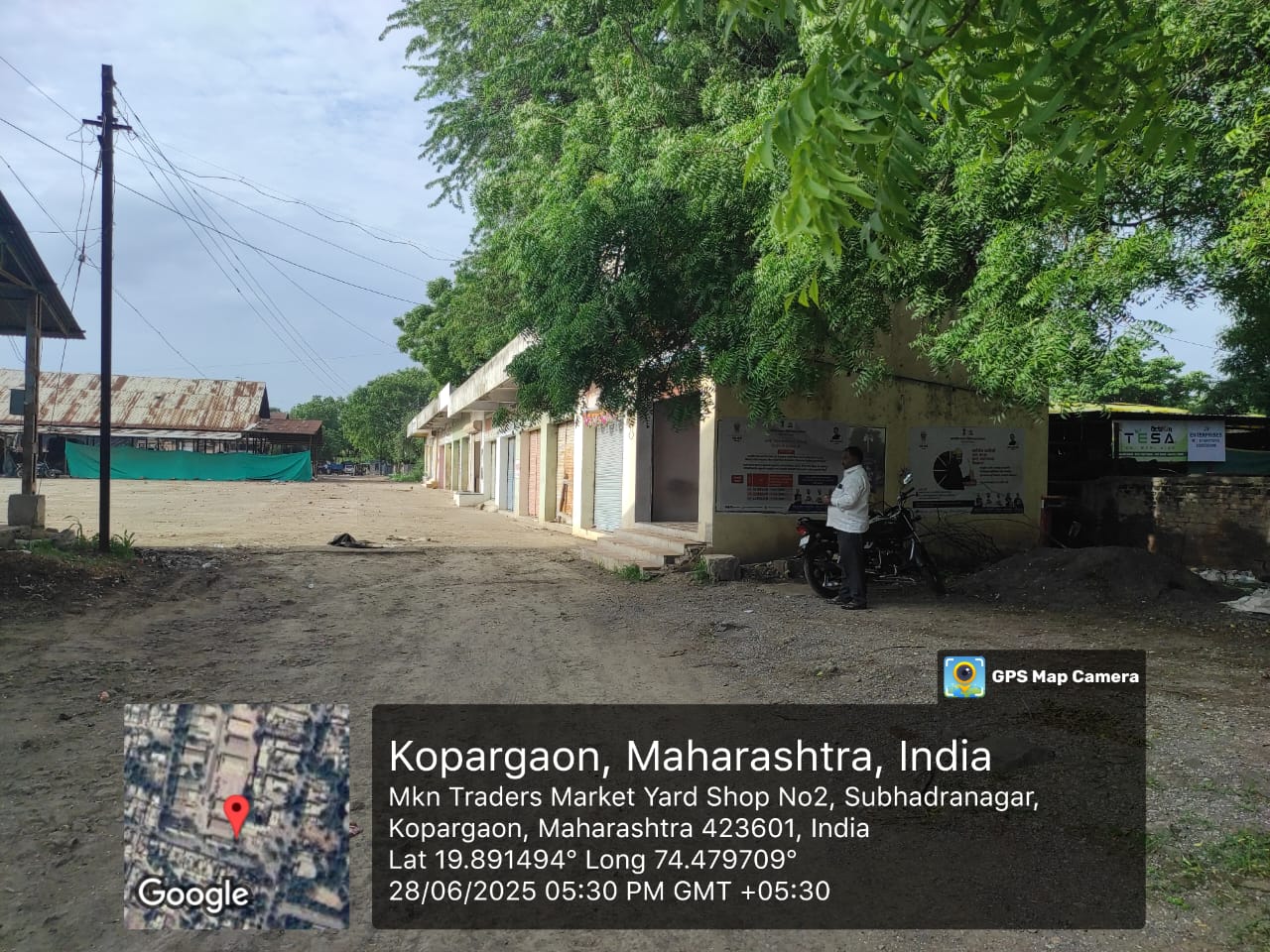
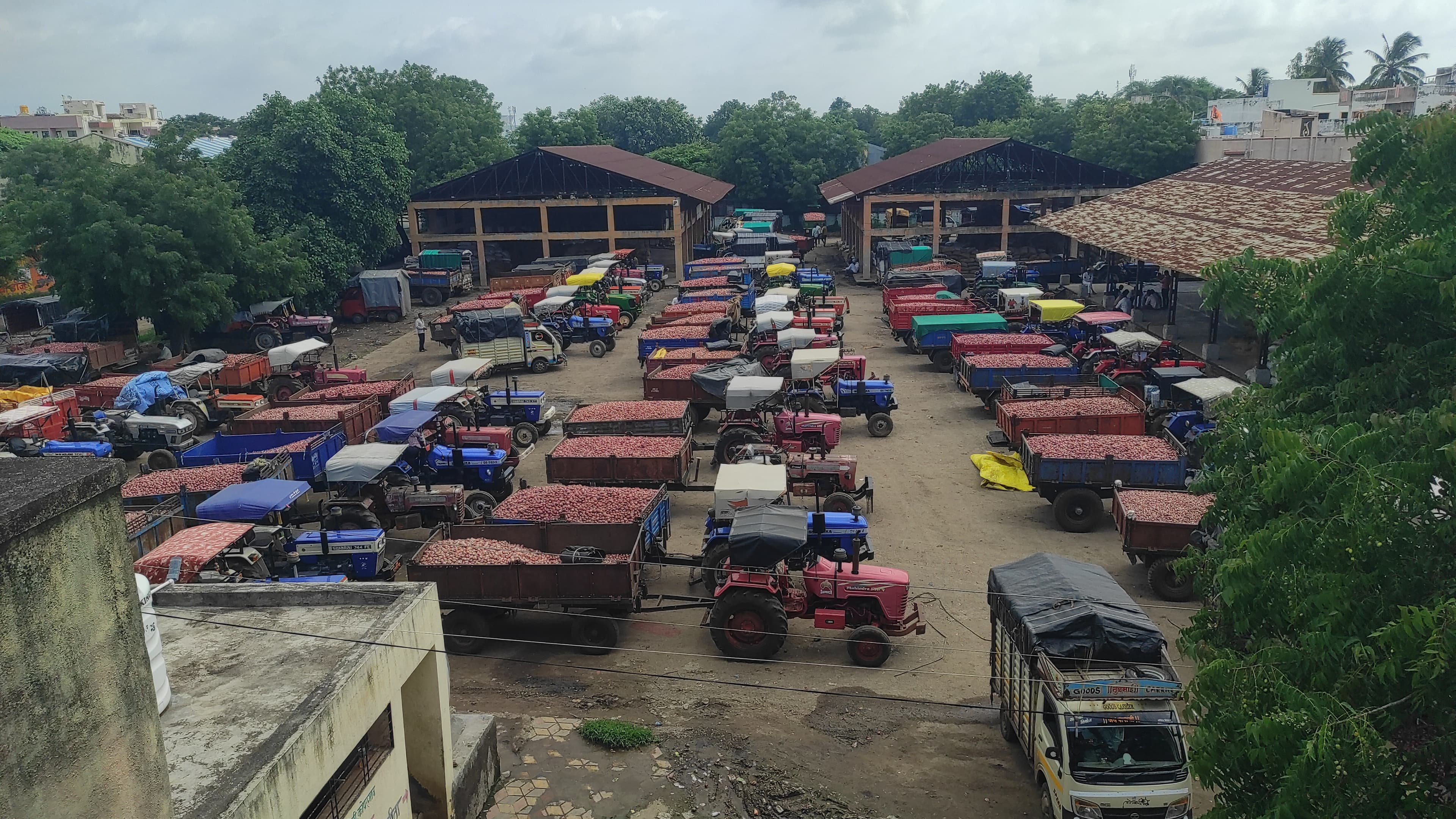
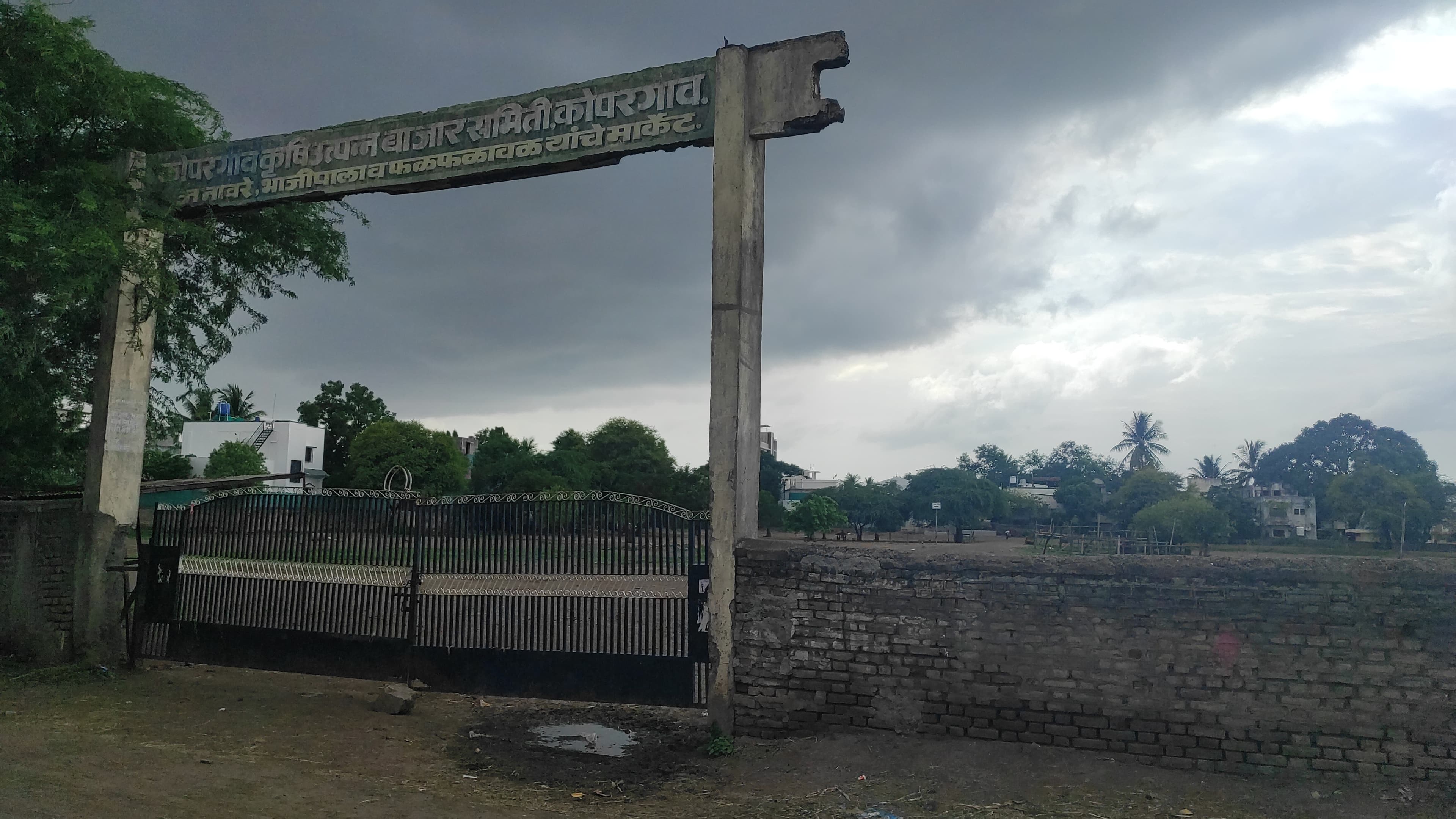
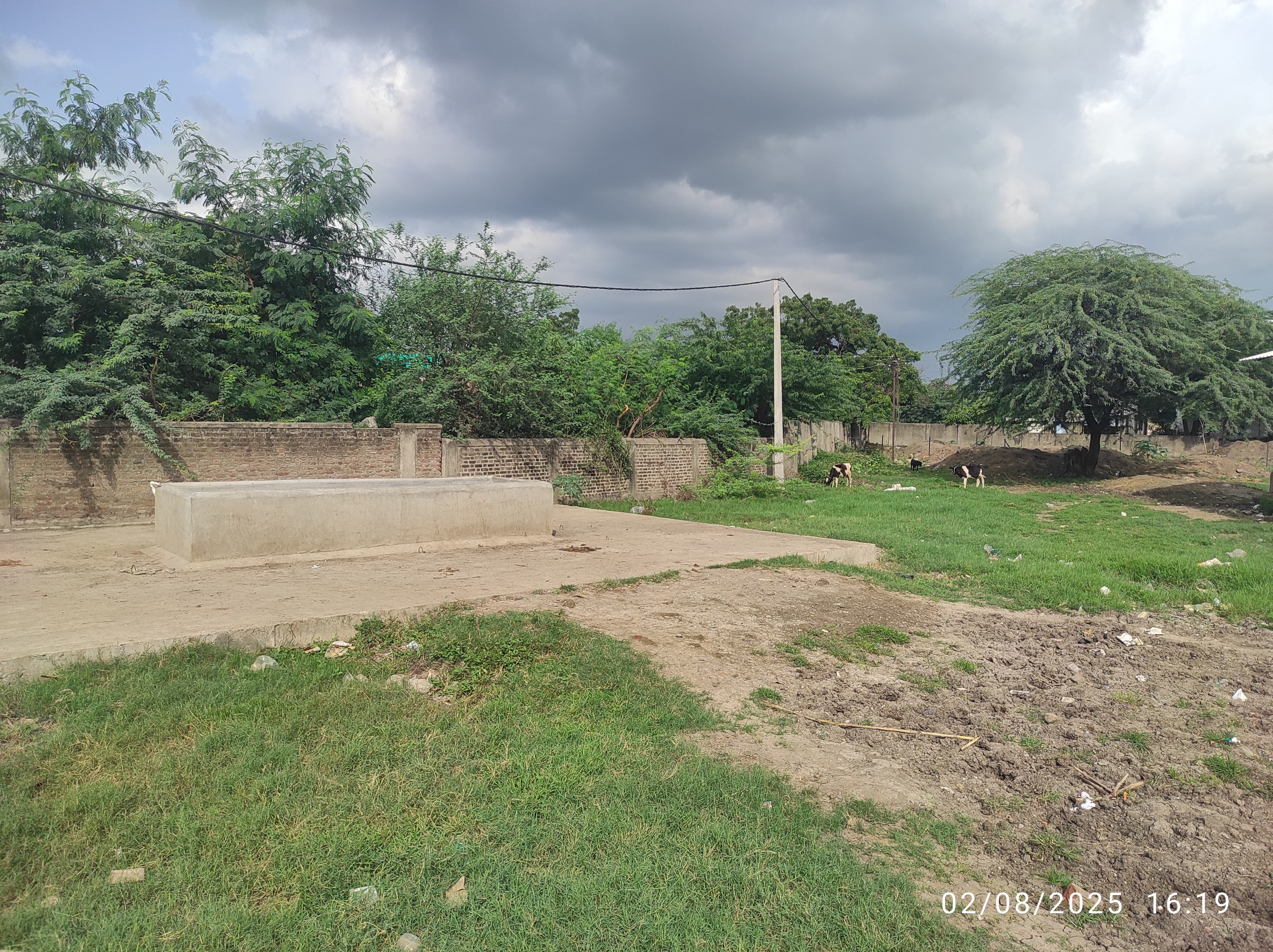
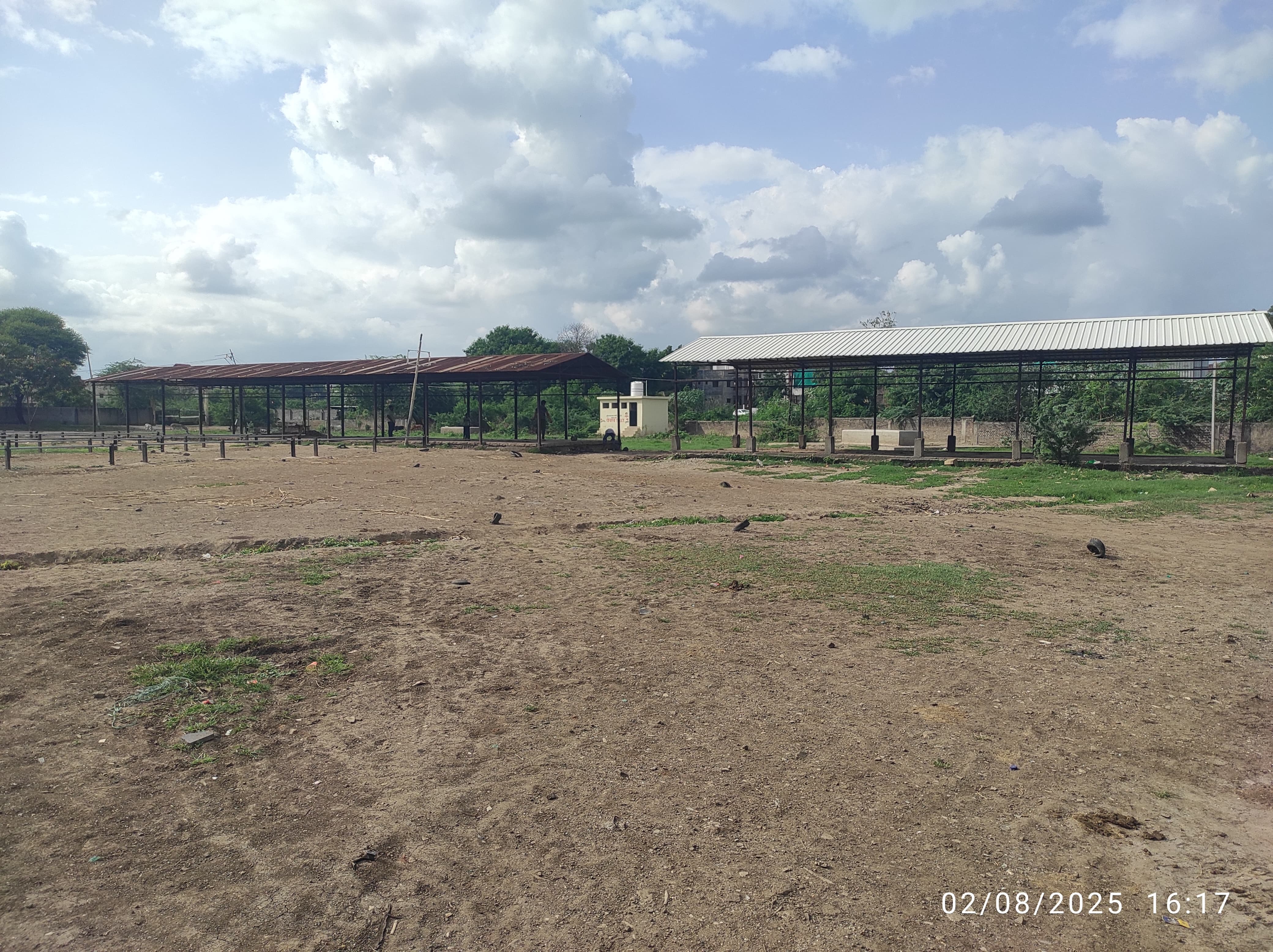
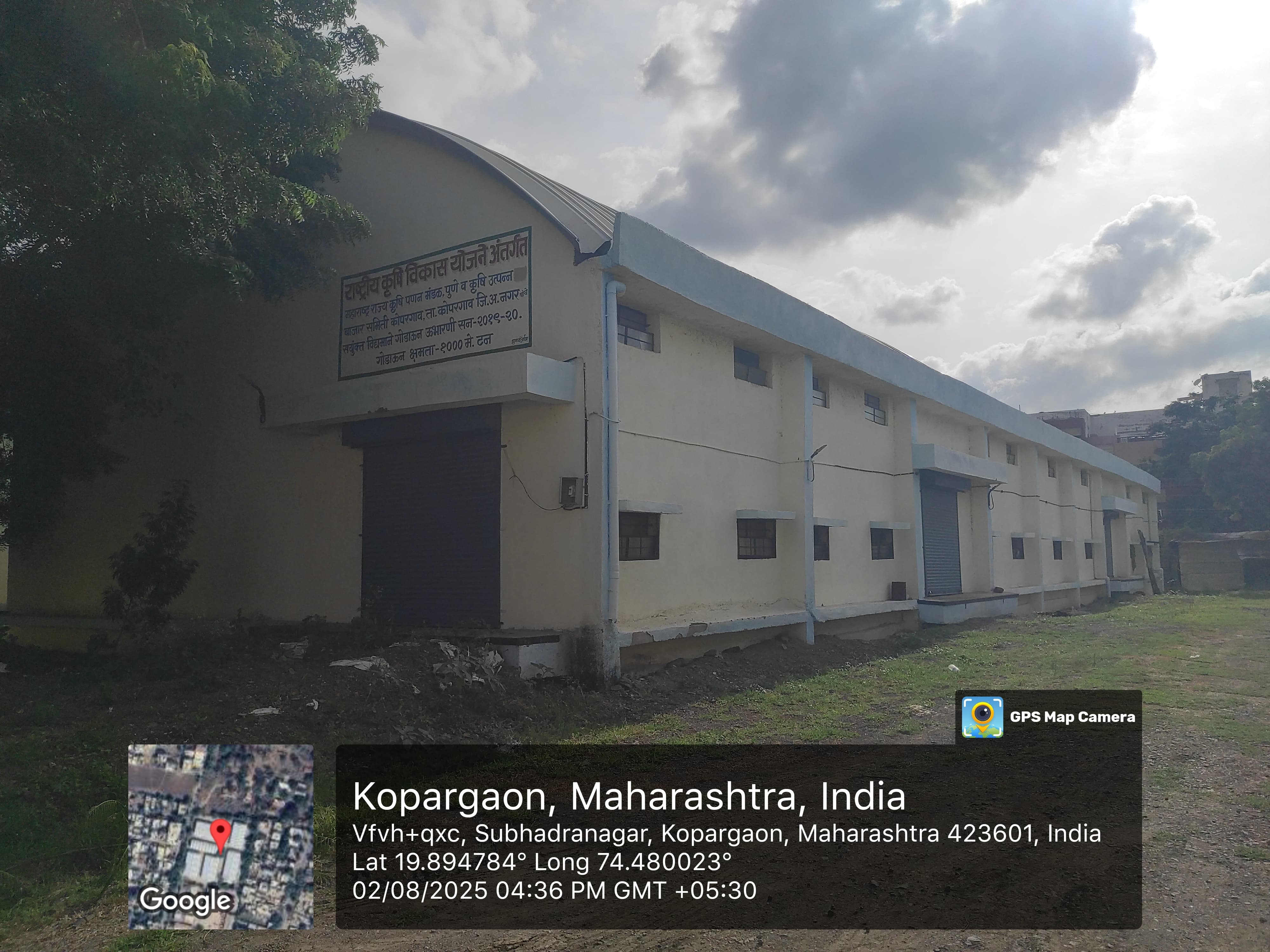
The main market yard of the Kopargaon Market Committee is located in Kopargaon, covering an area of 24 acres and 28 gunthas, and there is a sub-market yard in Tilawani covering an area of 2 acres.
Regulated Agricultural Commodities
The Market Committee has regulated the following agricultural commodities.
| Sr. No. | Item Name | Sr. No. | Item Name | Sr. No. | Item Name |
|---|---|---|---|---|---|
| 1 | Jaggery | 18 | Cotton | 35 | Lemon |
| 2 | Wheat | 19 | Onion | 36 | Pomegranate |
| 3 | Sorghum / Jowar | 20 | Sweet Orange | 37 | Fodder Grass |
| 4 | Pearl Millet / Bajra | 21 | Mango | 38 | Fodder / Kadba |
| 5 | Chickpeas / Gram | 22 | Orange | 39 | Eggs |
| 6 | Moth Bean | 23 | Banana | 40 | Chicken / Hen |
| 7 | Green Gram / Moong | 24 | Grapes | 41 | Poultry Birds |
| 8 | Pigeon Pea / Toor | 25 | Watermelon | 42 | Hide |
| 9 | Flaxseed / Linseed | 26 | Muskmelon | 43 | Skin |
| 10 | Safflower | 27 | Chikoo / Sapota | 44 | Bullock |
| 11 | Groundnut Pods | 28 | Potato | 45 | Cow |
| 12 | Groundnut Kernels | 29 | Sweet Potato | 46 | Buffalo |
| 13 | Sunflower Seed | 30 | Tomato | 47 | Male Buffalo |
| 14 | Sesame | 31 | Guava | 48 | Horse |
| 15 | Fenugreek | 32 | Leafy Vegetables | 49 | Goats |
| 16 | Castor | 33 | Fruit Vegetables | 50 | Sheep |
| 17 | Black Gram / Urad | 34 | Paddy (Rice) | 51 | Soybean |
Sales Method
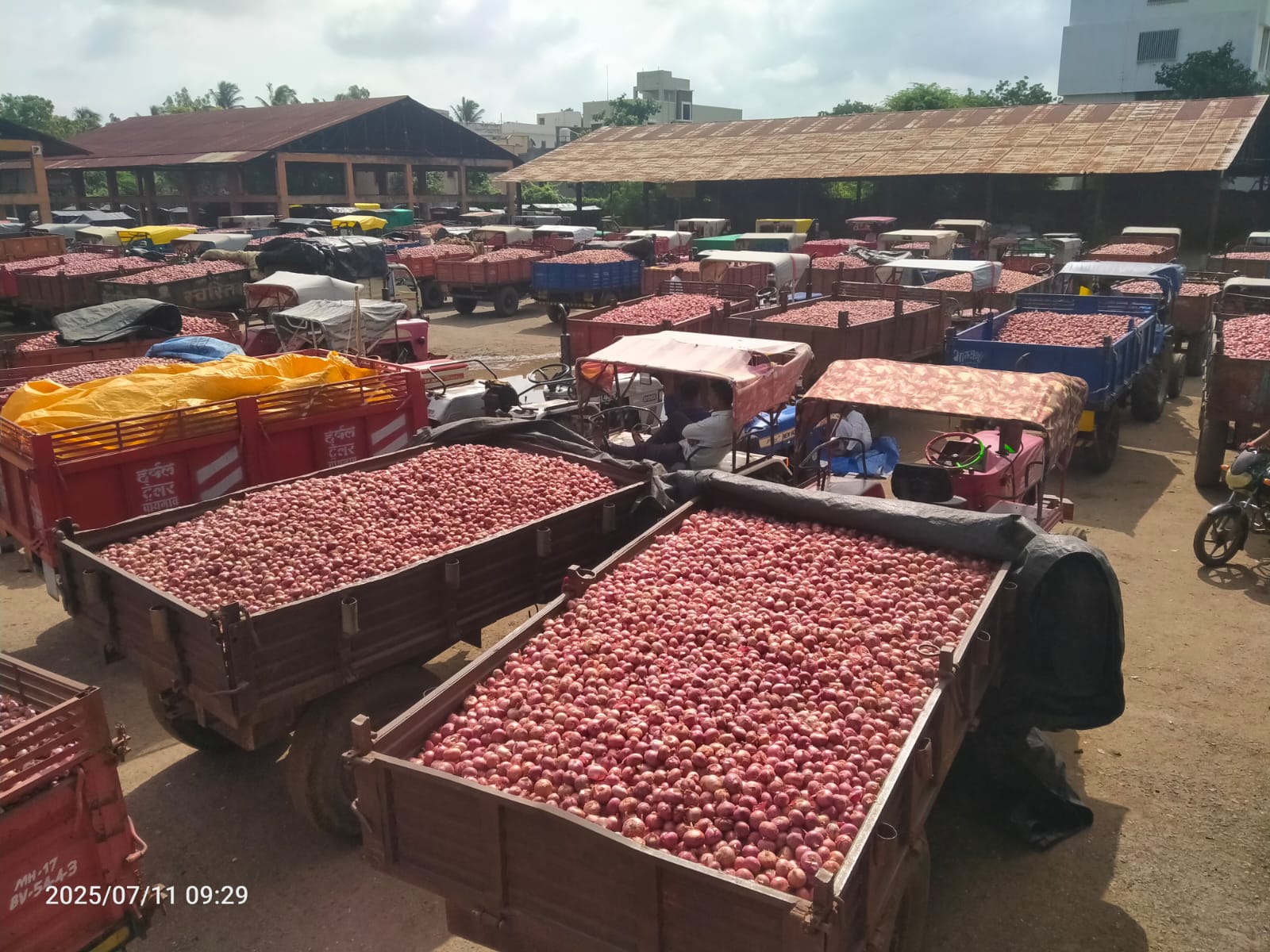
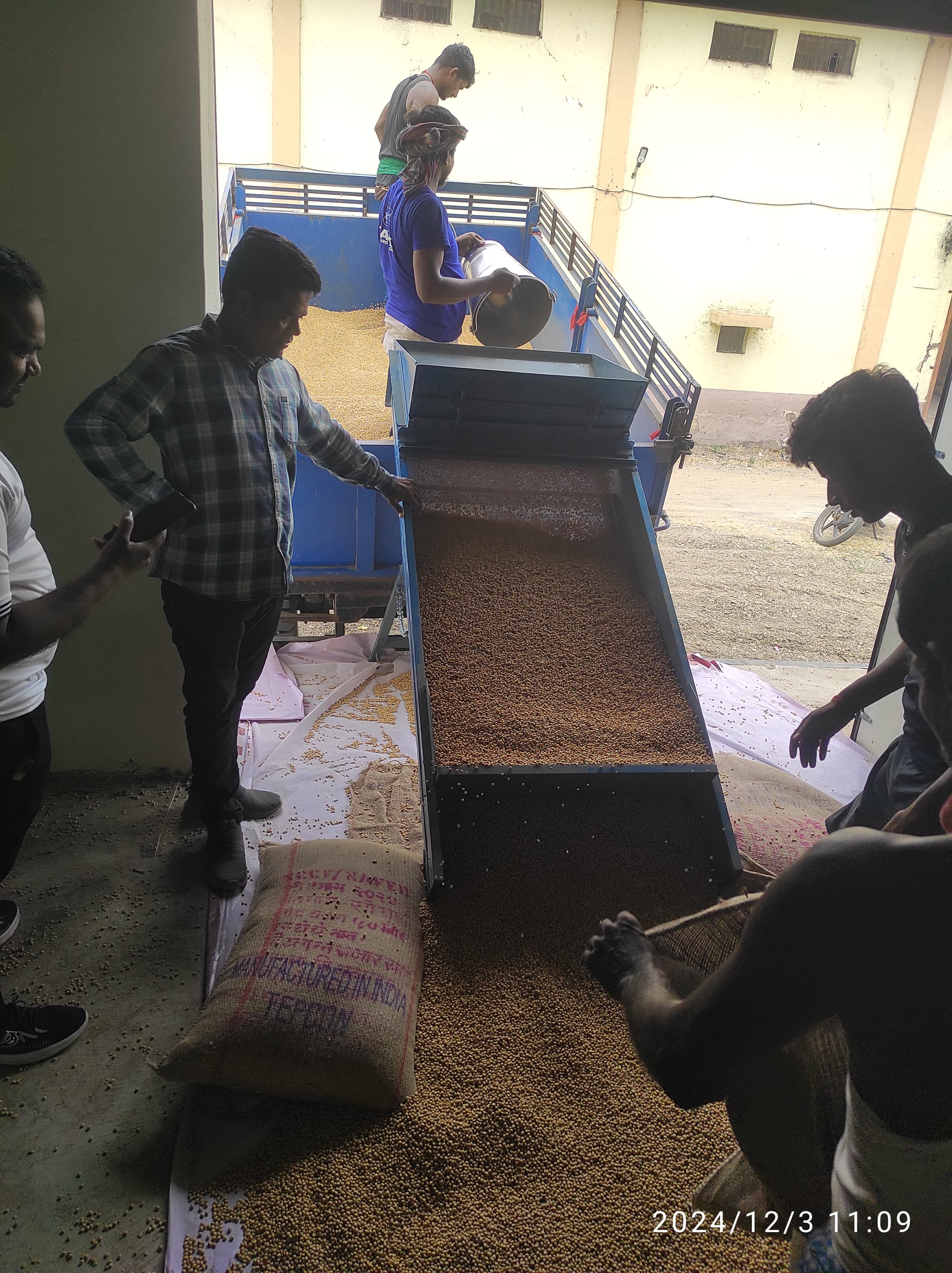
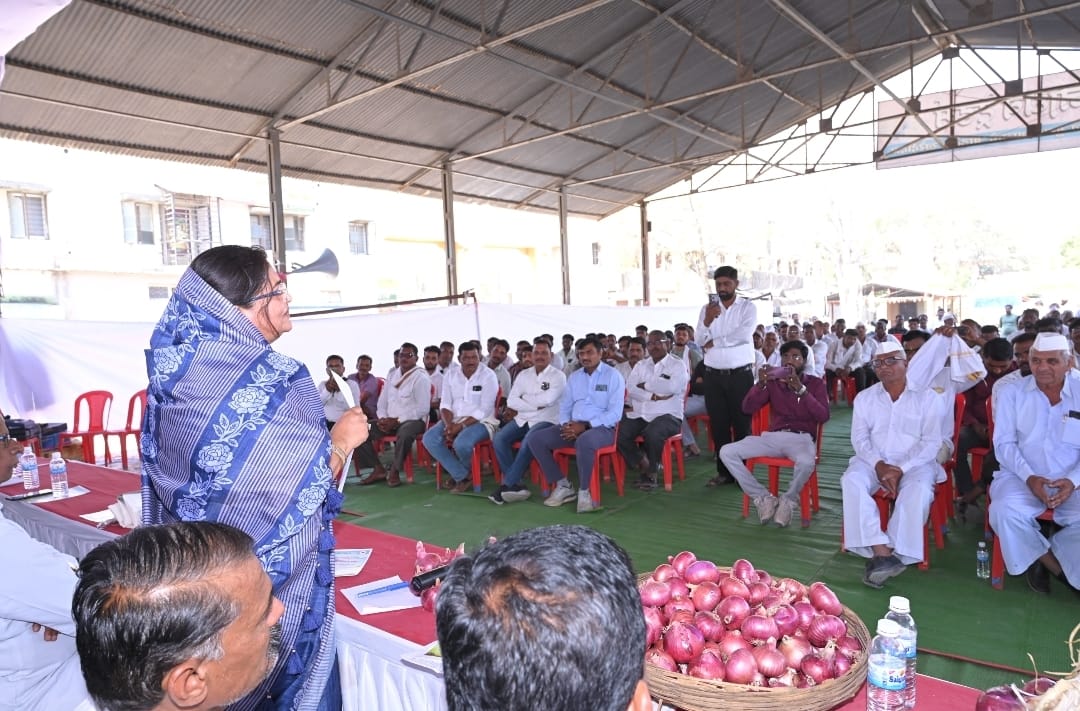
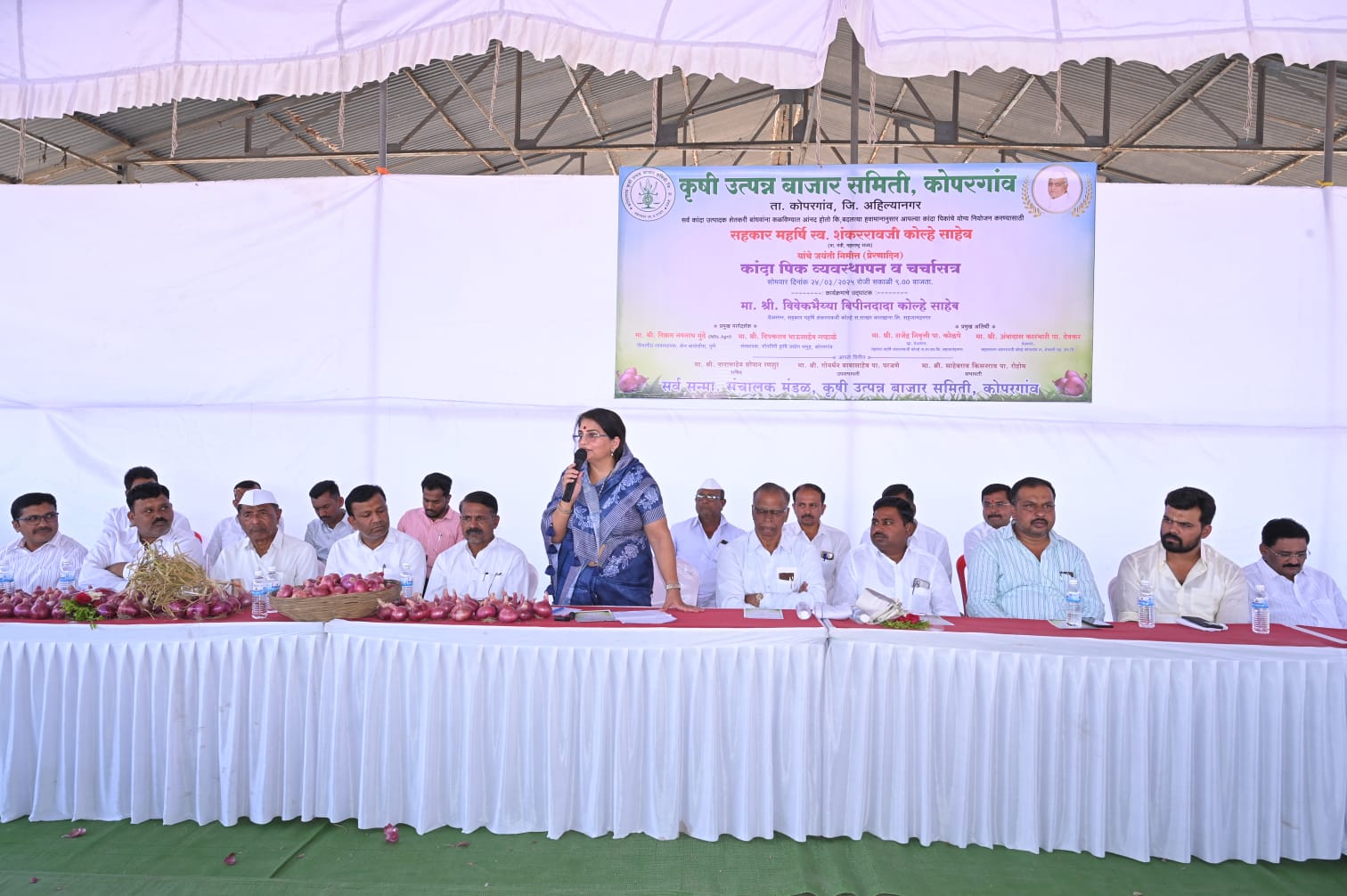
The Agricultural Produce Market Committee, Kopargaon in Maharashtra State is a trusted marketplace for the people in rural areas. Regulated agricultural produce coming for sale at the main and sub-market yards of the Market Committee is lined up based on priority and item-wise sequence (in queues) and is sold sequentially through open auction. Due to the proper use of advanced agricultural techniques, new seeds, and fertilizers, the arrival of onion produce is increasing day by day. The sale of agricultural produce is conducted competitively through an open auction method in the presence of the market committee staff and fellow farmers. If the seller does not find the market price suitable, they can suspend the completed auction and sell their produce on the next day.